Salt, Citrus, and Sun: The Amalfi Coast Culinary Legacy
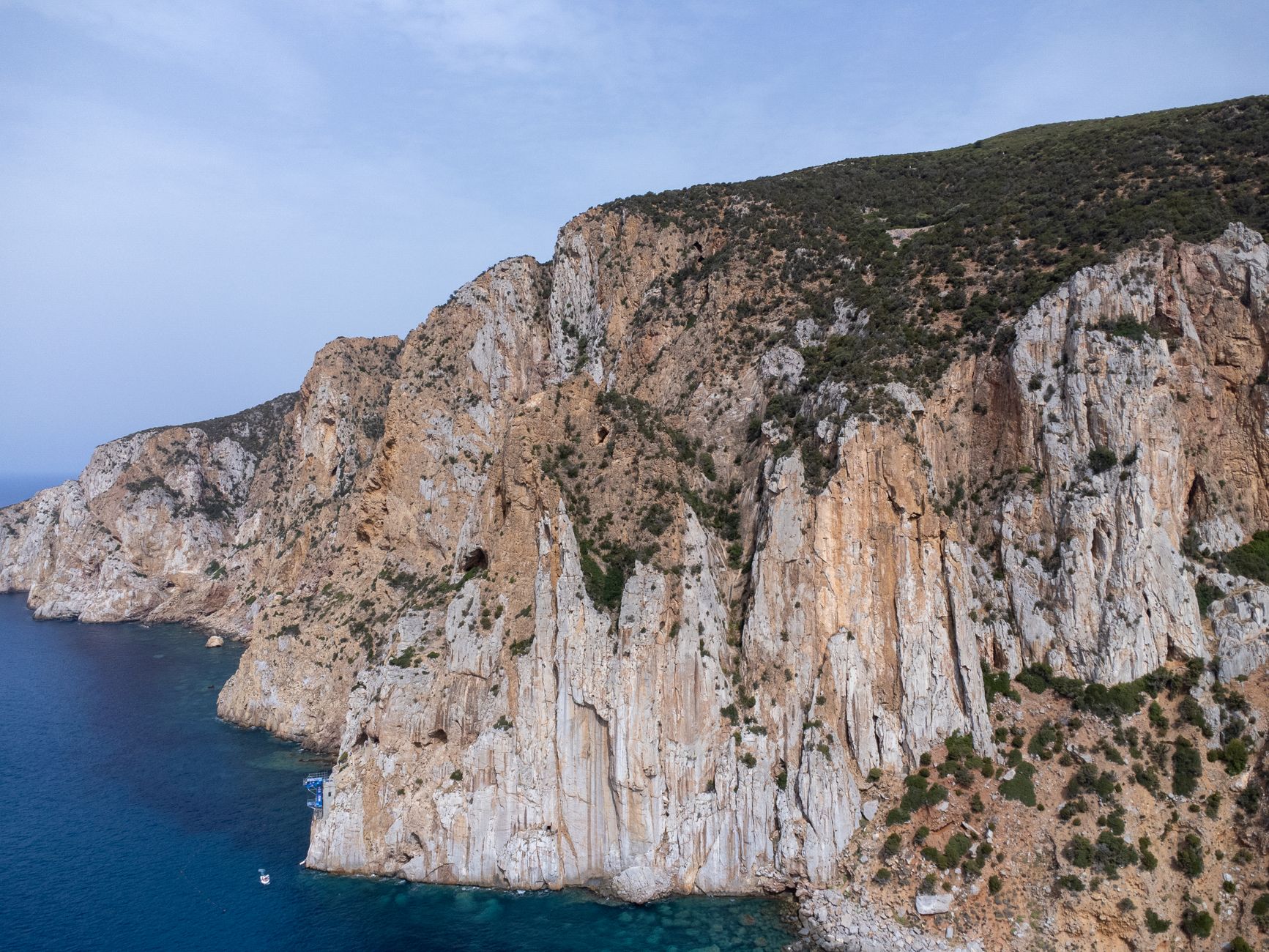
High upon the cliff pathways connecting Ravello and Tramonti, the salt mist of the Tyrrhenian Sea blends with the fragrance of ripening sfusato amalfitano lemons.
For centuries before luxury yachts dotted the gulf, the families of the Amalfi coast cultivated vertical terraces known locally as macere. These dry-stone walls made farming possible on vertical rock, yielding a culinary tradition founded on resilience, seasonal patience, and profound elemental flavor.
The Reign of the Sfusato Lemon
Unlike commercial varieties bred for durability, the sfusato lemon features thick, sweet pith that can be eaten raw with a pinch of coarse sea salt and fresh mint. Local cooks use every element: the zest flavors homemade scialatielli pasta, the juice cures fresh anchovies pulled from midnight nets, and the leaves wrap smoked provola cheese over wood coals.
To taste this food is to understand the geography that forged it: steep paths requiring thousands of steps daily, intense midday sun, and deep blue water providing fresh seafood each evening.
Seeking Authentic Tables
- Climb Higher: Avoid seaside main promenades where rents force restaurants into shortcuts. The greatest meals await in villages situated 400 meters above sea level.
- Respect the Calendar: Visit between late April and early June or throughout October when harvests are active and sea waters remain warm.
"The southern Italian table is not merely sustenance; it is a declaration that time belongs to hospitality rather than clocks."
Craving the slow flavours of the Mediterranean?
Let our editors plan your private gastronomic roster.
Inquire With Gastronomy Desk