The Architecture of Stillness: Kyoto Beyond the Shrines
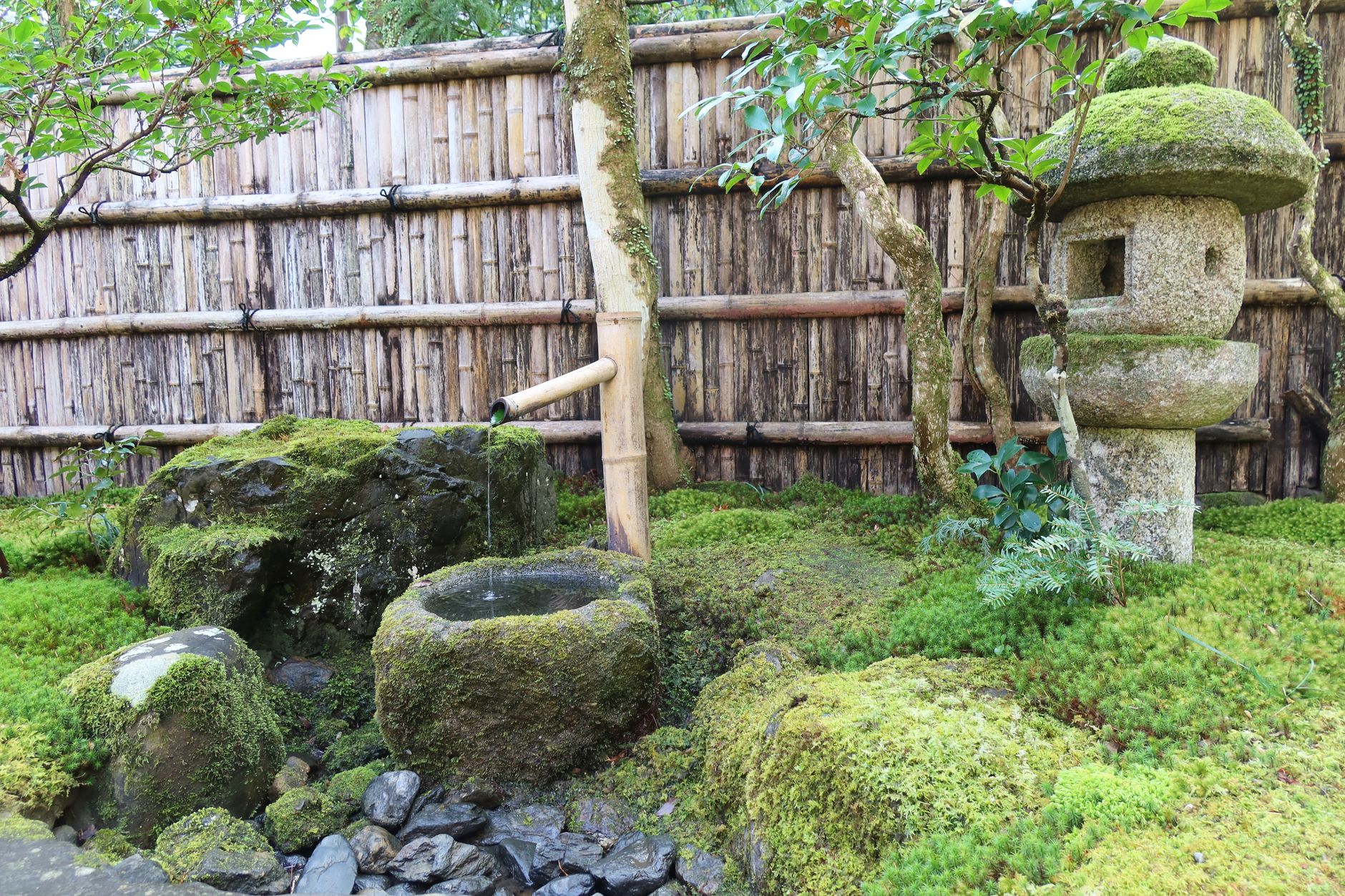
There exists an hour before seven in the morning when the stone lanes of northern Kyoto retain the dampness of dew and the scent of cedar smoke, untouched yet by the footfalls of tourist tour groups.
While guidebooks direct travelers toward the glittering gold leaf of Kinkaku-ji or the crowded red arches of Fushimi Inari, the true pulse of Kyoto hides inside quiet residential wards like Nishijin and along the northern slopes of Mount Hiei. Here, life unfolds according to rhythms perfected over centuries.
The Philosophy of Wabi-Sabi in Craft
In a small wooden machiya off an alleyway that maps rarely identify, third-generation weaver Kenji Sato continues working with natural plant dyes. His looms clatter softly in cadence with the morning rain. "Speed produces symmetry, but slow patience welcomes character," Sato observes while inspecting a bolt of indigo raw silk.
This attitude permeates every corner of unhurried Kyoto travel. Rather than ticking off seven destinations in a single morning, slow travel demands that one sits through a single tea ceremony, observing how daylight subtly alters the shadows cast by shoji screens.
Practical Field Guidance for Mindful Stays
- Timing: Visit temples at 8:00 AM or late in the afternoon before gate closure.
- Transport: Rent a single-speed city bicycle to explore canal routes and avoid overcrowded subway stops.
- Etiquette: Avoid photography in narrow residential lanes where families live and work.
"To experience stillness in Japan is not about escaping sound, but about tuning one's hearing to the subtle rustle of bamboo leaves and boiling kettle water."
When you depart, the memories that linger will not be the grand monuments captured on postcards, but the taste of bitter matcha on an earthen cup and the tranquil silence of raked courtyard sand.
Desire a personalized Kyoto itinerary?
Reach out to our curatorial team for bespoke route monographs.
Inquire About Travel Guidance